
A safety plan is a personalized guide someone can use when emotional pain, suicidal thoughts, or severe distress begin to feel overwhelming. It outlines what helps them feel safer, who they can reach out to, and what steps they can take before a crisis escalates.
In mental health, a safety plan is a proactive tool. It’s not only for moments of immediate danger. It can help someone recognize their warning signs, return to coping strategies that have worked before, and connect with support when it becomes hard to think clearly.
Safety planning can be especially important for people experiencing suicidal ideation. When thoughts feel intense or isolating, having a written plan can make the next step easier to find. It reminds someone that support exists, even when they may not feel able to ask for it on their own.
At Honor Connor, we believe suicide prevention begins with connection. Our work is centered on breaking stigma, building awareness, and helping people speak more openly about mental health. By walking together, having authentic conversations, and supporting survivors of suicide loss, we create more opportunities for hope, healing, and connection before someone reaches a crisis point.

A safety plan is a personalized, written document that helps someone navigate suicidal thoughts, severe distress, or a mental health emergency. It gives the person a clear place to turn when emotions feel intense and decision-making feels harder.
In a mental health context, safety planning is giving someone a practical support tool they can turn to before risk increases. The plan often includes coping steps, trusted contacts, professional resources, and safety measures that make support easier to access before a crisis escalates.
A therapy safety plan is usually brief, personal, and written in the individual’s own words. It should be easy to find, easy to understand, and simple enough to use during a difficult moment. The more personal it feels, the more helpful it can become when someone needs guidance quickly.
Safety planning is an evidence-based approach that helps people prepare for moments when suicidal thoughts or emotional distress may become harder to manage. It works by turning support into clear steps that can be followed when someone may not feel able to think through everything on their own.
A mental health safety plan strategy can also help restore a sense of control. When someone knows their warning signs, has coping tools written down, and knows who to contact, they may feel less alone in the moment. The plan does not remove every challenge, but it can make the next step easier to see.
This kind of planning also connects to a broader approach to well-being. Practices like being kind to your mind can help strengthen emotional capacity over time. Understanding how mental health affects physical health can also remind us that care for the mind and body is closely connected.
Personal safety plans include clear, practical steps that can help someone recognize risk early and respond with support. The plan should be simple enough to use during a difficult moment, while still specific enough to reflect what the person actually needs when distress begins to rise.
The first part of a safety plan is identifying personal warning signs. These may include thoughts, moods, or behaviors that suggest a crisis could be starting.
Examples may include:
These warning signs can look different for each person. Some may be clear, while others may be quieter or easier to miss. Learning the language of suicide can help people recognize warning thoughts earlier and respond with more care.
Internal coping strategies are actions someone can try on their own when distress begins to build. These strategies are not meant to replace outside support, but they can help create a pause and reduce intensity in the moment.
Helpful coping strategies may include:
The most useful strategies are personal and realistic. A safety plan should include coping steps that feel accessible, not overwhelming. Building these habits over time can also support long-term emotional well-being, especially through practical tips that enhance mental well-being.
A safety plan should also name trusted people and safe places. These are the people someone can contact and the environments where they may feel more grounded. Support might come from a close friend, family member, mentor, faith leader, or another trusted person.
Safe places may include:
Reaching out can feel hard during emotional distress, so it can help to write down what to say ahead of time. Tools like conversation starters can make that first message or call feel more manageable.
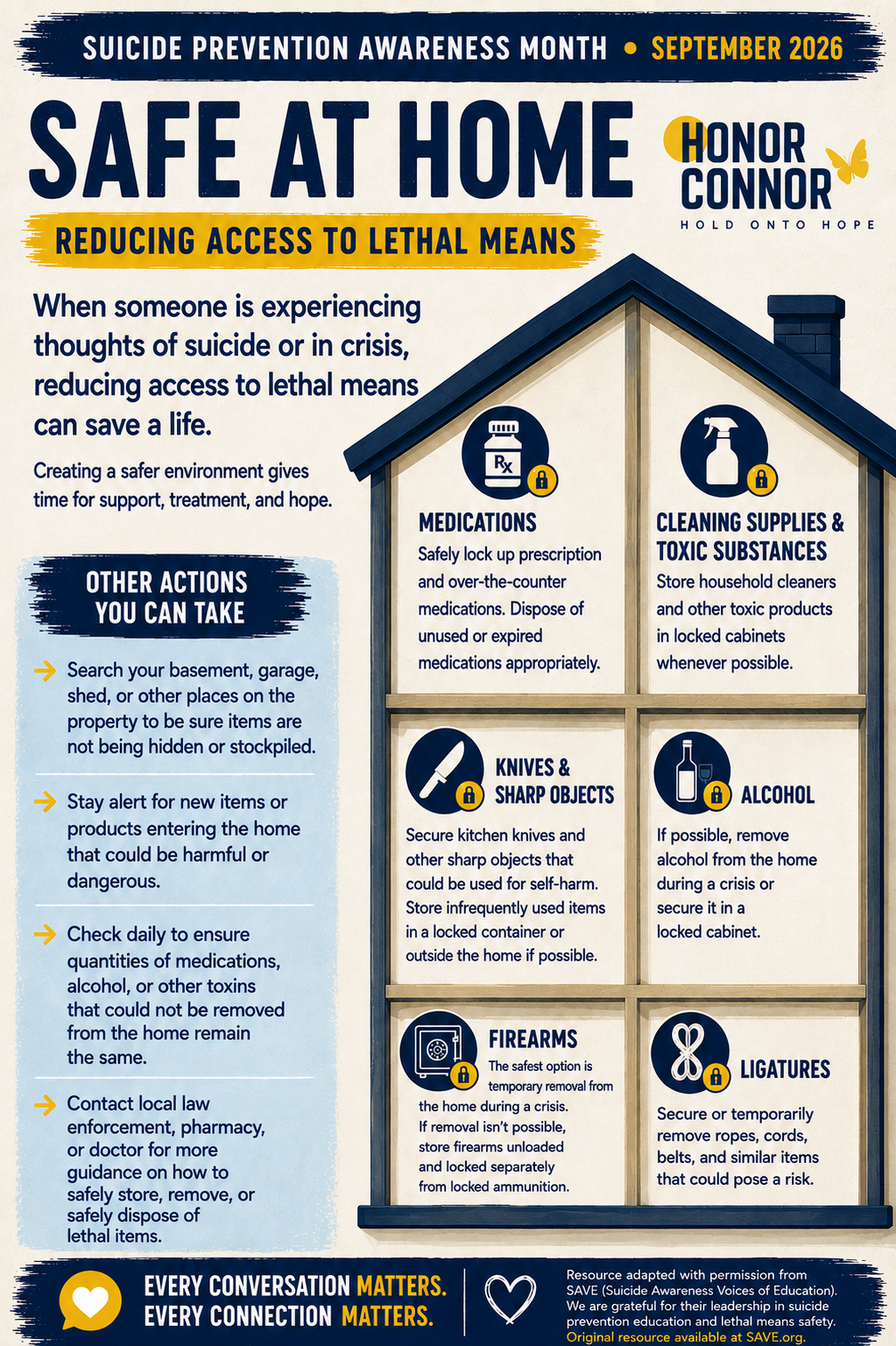
Personal safety plans should include professional and crisis resources that are easy to find. This may include a therapist’s phone number, a crisis line, a local mental health provider, or another trusted support service.
A therapy safety plan often includes:
If someone is in immediate danger or feels unable to stay safe, they should seek help right away. Our Help page connects individuals with trusted crisis resources, suicide prevention support, and mental health services.
Needing a mental health support tool is not a sign of weakness. It’s a step toward protection, stability, and support during moments that may feel difficult to manage. A safety plan gives someone a place to return to when distress feels intense and the next step feels hard to find.
Learning how to create a safety plan can also build confidence before high-stress moments happen. The plan does not need to be perfect. It needs to be personal, easy to access, and clear enough to use when someone needs support quickly.
Personal safety plans should be revisited and updated over time. This can be especially important during periods of intense grief, after major life changes, or while speaking openly about the loss of a loved one, including the loss of a parent or child. What someone needs may change, and their plan can change with them.
Connection helps reduce isolation. So does the language we use when talking about suicide. When we speak with care and stay present for one another, we make it easier for people to reach for help before they have to carry the weight alone.
You don’t have to face difficult moments alone. Reaching out is a sign of strength, and support is always available. If you or someone you know is in immediate distress or may be in danger, call emergency services or contact the 988 Suicide & Crisis Lifeline by calling or texting 988. The Lifeline provides free, confidential support 24/7.

Founder & Manager Director
Dealing with the loss of a loved one to suicide is complicated. We’re here help start the conversation & stop the stigma.
SAMHSA’s National Helpline: 1-800-662-HELP (4357)
Mental Health America: www.mhanational.org
Honor Connor Blog