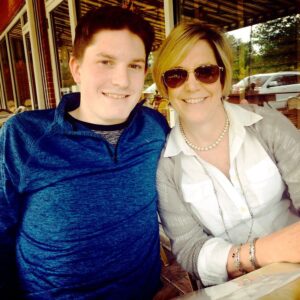
Founder & Manager Director
Every September, Suicide Prevention Awareness Month shines a light on the urgent need to prevent suicide and support those impacted by it. For me, this month is deeply personal.
When I lost my son, Connor, I was consumed by guilt. I replayed conversations in my mind endlessly—wondering if I had said something differently, or stayed quiet when I spoke, maybe it would have changed the outcome. The more I learned about suicide and suicide prevention, the worse I felt. I beat myself up for not knowing what I should have seen, for not recognizing what I should have done.
A wise therapist gently shifted my perspective when she said: “Lisa, you did the best you could with the information you had at the time.” Those words helped me breathe again. I realized I could not be responsible for what I didn’t know—including Connor’s thoughts and feelings that he kept hidden. While the guilt didn’t disappear overnight, that truth became a lifeline, teaching me self-compassion and reminding me that love alone is not always enough to stop suicide.
“Lisa, you did the best you could with the information you had at the time.”
As someone who had never struggled with suicidal thoughts before, I was surprised—and frightened—when I began to connect with some of those feelings myself. The depth of grief and hopelessness that followed Connor’s death opened a window into just how heavy and overwhelming pain can feel. That experience gave me a deeper understanding of why connection and support are so essential for survivors.
The Silent Risk for Suicide Loss Survivors
What I didn’t know then—and what too few people talk about—is that those of us left behind are at greater risk ourselves. Research shows that people who have lost a loved one to suicide are 65% more likely to attempt suicide and nearly 80% more likely to leave work or school after their loss. Survivors also face higher rates of depression, anxiety, post-traumatic stress, and complicated grief.

Stopping the Stigma
These risks are compounded by the stigma surrounding suicide. Survivors often feel pressure to hide how their loved one died, or they hear unhelpful and hurtful comments that deepen shame. This silence isolates us further, making it even harder to seek support or share our stories. Stopping stigma means creating space for honesty and compassion, where suicide loss is recognized as the profound grief it truly is—not something to whisper about.
The Power of Connection and Dialogue
I’ve learned that healing begins with connection. Survivors need safe places to speak openly, honor their loved ones, and discover they are not alone in their pain. Conversations—whether in support groups, with trusted friends, or in communities like Honor Connor—build bridges of understanding. Every story shared chips away at isolation and strengthens hope.
“Suicide prevention also means standing with survivors.”
At Honor Connor, we believe prevention and healing are deeply connected. Supporting survivors, breaking stigma, and encouraging dialogue doesn’t just help those grieving—it helps create a culture where talking about mental health and suicide is not only allowed but encouraged.
This September, let’s remember that suicide prevention also means standing with survivors. No one should have to walk this journey alone. Through compassion, honesty, and community, we can create spaces where survivors are seen, heard, and held in hope.


Hope Remembers
Hope Connects
Hope Heals
September is
A time to break the silence, support those who are struggling, and honor those we’ve lost.
At Honor Connor, we shine a light on the often-overlooked survivors of suicide loss, who carry both deep grief and a higher risk themselves. By opening conversations, offering resources, and standing together, we can bring light, healing, and hope.
SAMHSA’s National Helpline: 1-800-662-HELP (4357)
Mental Health America: www.mhanational.org